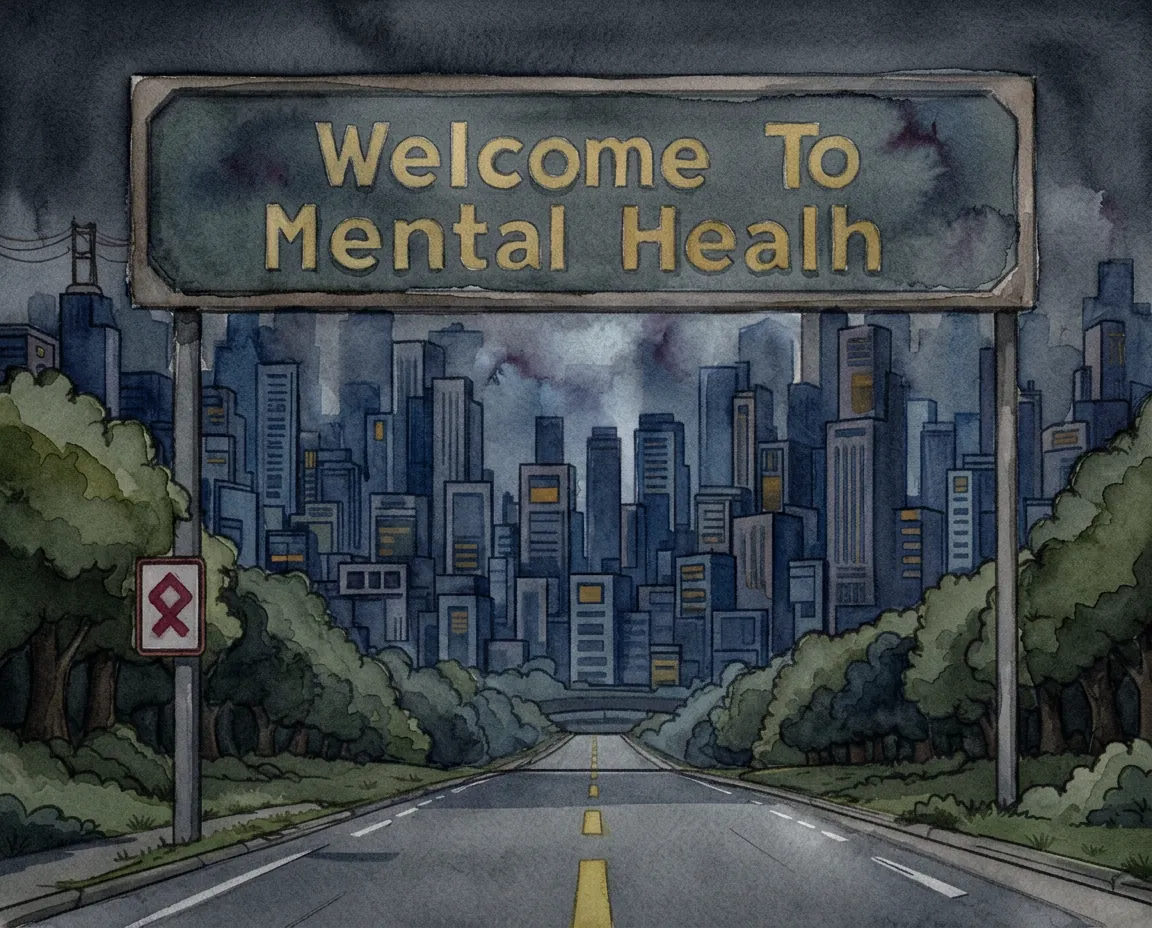
The Roots of Stigma
Mental health stigma has deep roots in our society, stemming from historical misunderstanding, media portrayals, and cultural beliefs. Understanding these roots is the first step toward dismantling them.
Historical Views
For centuries, mental illness was misunderstood and often attributed to moral failings, demonic possession, or weakness of character. These outdated views still echo in modern attitudes.
Media Influence
Movies, TV shows, and news coverage often portray people with mental illness as dangerous, unpredictable, or incompetent, reinforcing harmful stereotypes.
Cultural Beliefs
Many cultures emphasize self-reliance and stoicism, making it difficult for individuals to acknowledge and seek help for mental health challenges.
How to Reduce Stigma
1. Education and Awareness
Sharing accurate information about mental health conditions helps replace myths with facts. Community workshops, school programs, and workplace training can make a real difference.
2. Open Conversations
Talking openly about mental health normalizes the topic. When leaders, celebrities, and everyday people share their experiences, it gives others permission to do the same.
3. Language Matters
Avoid stigmatizing language. Say "person with depression" instead of "depressed person." Words shape perceptions.
4. Support Access to Care
Advocate for accessible, affordable mental health services in your community. Remove barriers to treatment.
5. Challenge Stereotypes
When you encounter stigmatizing attitudes or media portrayals, speak up. Correct misconceptions with compassion.
6. Lead by Example
Taking care of your own mental health and being open about it shows others it's okay to do the same.
The Berkley Wellness Commitment
At Berkley Wellness, we provide judgment-free mental health care. Everyone deserves support, and seeking help is a sign of strength, not weakness. Call (254) 212-8014.