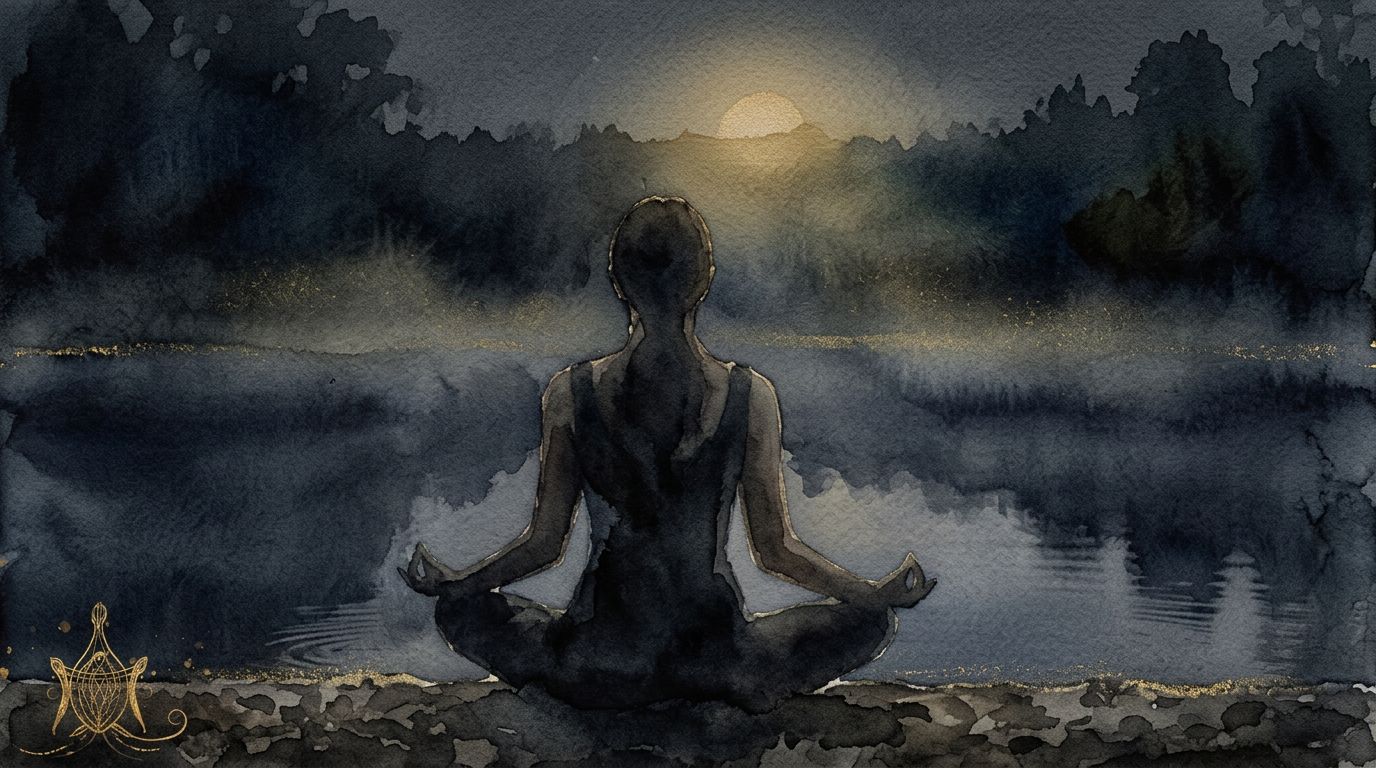
Anxiety has quietly become one of the most common health challenges in America. From racing thoughts at 2 a.m. to a tight chest before a meeting, anxiety shows up in ways that interfere with sleep, work, relationships, and overall quality of life. While medication and counseling remain essential tools for many people, meditation has emerged as one of the most accessible, evidence-based practices for calming the nervous system and reducing the daily weight of anxiety.
At Berkley Wellness in Breckenridge, Texas, we believe in treating the whole person. Mental health is deeply intertwined with hormonal balance, sleep, nutrition, and stress regulation. Meditation is a powerful free tool you can add to any wellness plan — no equipment, no membership, no side effects. In this guide, we'll walk through the most effective meditation techniques specifically used to reduce anxiety, how to practice them, and how to build a sustainable routine.
How Meditation Calms an Anxious Brain
Before diving into techniques, it helps to understand why meditation works. When you feel anxious, your sympathetic nervous system — the "fight or flight" branch — is dominant. Heart rate climbs, breathing becomes shallow, cortisol surges, and the amygdala (the brain's threat detector) lights up.
Meditation activates the opposite branch: the parasympathetic nervous system, often called "rest and digest." Research from Harvard, Johns Hopkins, and the American Psychological Association has consistently shown that regular meditation can:
- Lower resting cortisol levels
- Reduce activity in the amygdala
- Increase gray matter in the prefrontal cortex (responsible for rational thought)
- Improve heart rate variability (a marker of nervous-system resilience)
- Decrease symptoms of generalized anxiety disorder, panic disorder, and PTSD
Even 10 minutes a day can produce measurable changes within eight weeks. The key is consistency, not duration.
1. Mindfulness Meditation
Mindfulness is the foundation of nearly every modern anxiety-reduction protocol, including Mindfulness-Based Stress Reduction (MBSR) developed at the University of Massachusetts Medical School.
How it works: You sit comfortably, close your eyes, and direct gentle, nonjudgmental attention to the present moment — usually starting with your breath. When thoughts arise (and they will), you simply notice them, label them as "thinking," and return to the breath.
How to practice:
- Sit in a chair or on a cushion with a tall, relaxed spine.
- Close your eyes or soften your gaze downward.
- Notice the sensation of breath at your nostrils or chest.
- When your mind wanders, label it ("planning," "worrying") and return to the breath.
- Start with 5–10 minutes, building to 20.
Why it helps anxiety: Anxiety lives in the future ("what if…"). Mindfulness anchors you in the present, where most worries do not actually exist.
2. Body Scan Meditation
Anxiety often shows up physically before you consciously feel it — clenched jaw, tight shoulders, shallow breath. The body scan teaches you to detect and release that tension.
How to practice:
- Lie flat on your back with arms at your sides.
- Bring attention to your toes. Notice any sensation without trying to change it.
- Slowly move your awareness up your body — feet, calves, knees, thighs, hips, abdomen, chest, arms, hands, neck, face, scalp.
- At each area, breathe into the sensation and consciously soften.
- Total time: 15–30 minutes.
Why it helps anxiety: The body scan interrupts the anxious thought loop by redirecting attention to physical sensation. It also teaches you to recognize the early physical signals of anxiety so you can address them sooner.
3. Box Breathing (4-4-4-4)
Used by Navy SEALs, ER physicians, and elite athletes, box breathing is one of the fastest ways to calm acute anxiety. It's a structured breathwork meditation that directly engages the vagus nerve.
How to practice:
- Inhale through the nose for 4 seconds.
- Hold the breath for 4 seconds.
- Exhale through the mouth for 4 seconds.
- Hold empty for 4 seconds.
- Repeat for 4–8 rounds.
Why it helps anxiety: The extended exhale and breath holds signal safety to the brainstem and rapidly lower heart rate. It works in under two minutes and is perfect for panic-attack onset, public speaking, or pre-appointment nerves.
4. Loving-Kindness Meditation (Metta)
Anxiety often has a strong self-critical component. Loving-kindness meditation, rooted in Buddhist tradition, replaces that inner harshness with warmth.
How to practice: Silently repeat phrases such as:
- "May I be safe."
- "May I be healthy."
- "May I be peaceful."
- "May I live with ease."
After a few minutes, extend those same wishes to a loved one, then a neutral person, then someone difficult, and finally all beings.
Why it helps anxiety: Studies from Stanford and Emory show metta meditation reduces self-criticism, social anxiety, and PTSD symptoms while increasing positive emotion and social connectedness.
5. Guided Visualization
For people whose minds resist silence, guided visualization offers a more active path into a meditative state.
How to practice: Use a recorded meditation (apps like Calm, Insight Timer, and Headspace are excellent) that walks you through imagining a peaceful place — a beach, mountain meadow, or quiet forest. Engage all five senses: what do you see, hear, smell, feel, taste?
Why it helps anxiety: Visualization redirects the anxious imagination toward a safe, restorative scene. Brain imaging shows the brain responds to vividly imagined experiences much like real ones — so a mental beach truly does relax you.
6. Mantra Meditation
Mantra meditation, including Transcendental Meditation (TM), uses the silent repetition of a word, sound, or phrase to occupy the verbal mind.
How to practice:
- Choose a meaningful word or sound ("peace," "om," "let go," "I am safe").
- Sit comfortably, close your eyes.
- Silently repeat the mantra in rhythm with your breath.
- When thoughts intrude, gently return to the mantra.
- Practice 15–20 minutes, ideally twice daily.
Why it helps anxiety: Mantra gives the chattering "monkey mind" something simple to do, freeing the nervous system to settle. TM in particular has strong research support for reducing anxiety, blood pressure, and PTSD symptoms.
7. Walking Meditation
If sitting still feels impossible when you're anxious, walking meditation is a powerful alternative — and an excellent gateway practice.
How to practice:
- Walk slowly in a quiet space — a hallway, garden, or park.
- Focus on the sensation of your feet meeting the ground.
- Coordinate breath with steps: inhale for 3 steps, exhale for 3 steps.
- When the mind wanders, return to the feet.
- Practice 10–20 minutes.
Why it helps anxiety: Movement burns off the excess adrenaline that often accompanies anxiety, while the meditative focus prevents rumination. Many people find walking meditation easier to maintain long-term than seated practice.
8. Yoga Nidra (Yogic Sleep)
Yoga Nidra is a guided meditation practiced lying down that brings you to the threshold between waking and sleep. Twenty minutes of Yoga Nidra is often equated to several hours of restorative sleep.
How to practice: Find a 20–45 minute guided Yoga Nidra recording. Lie down comfortably, cover yourself with a blanket, and follow the teacher's instructions, which typically include a body rotation, breath awareness, visualization, and a personal intention (sankalpa).
Why it helps anxiety: Yoga Nidra dramatically lowers cortisol, improves sleep quality, and is being studied at major medical centers for PTSD, chronic insomnia, and generalized anxiety.
9. 5-4-3-2-1 Grounding Meditation
This brief, sensory-based meditation is ideal for sudden anxiety spikes, panic attacks, or dissociative moments.
How to practice: Name…
- 5 things you can see
- 4 things you can feel
- 3 things you can hear
- 2 things you can smell
- 1 thing you can taste
Why it helps anxiety: Grounding pulls your attention out of the catastrophizing mind and back into the safe, concrete present. It's discreet enough to do at a desk, in your car, or in a waiting room.
10. Compassion-Focused Meditation for Worry
When anxiety is fueled by self-judgment ("I should have…" or "What's wrong with me?"), compassion-focused meditation can be more effective than mindfulness alone.
How to practice: Place a hand over your heart. Acknowledge: "This is a moment of suffering." Remind yourself: "Suffering is part of being human." Then offer yourself the kindness you would give a close friend: "May I be gentle with myself today."
Why it helps anxiety: Self-compassion reduces the secondary anxiety that builds on top of original worry — the anxiety about being anxious.
Building a Sustainable Meditation Routine
Knowing the techniques is only half the work. The other half is showing up. Here is the framework we recommend at Berkley Wellness:
- Start tiny. Five minutes a day for a week beats 30 minutes once.
- Anchor it. Pair meditation with an existing habit — after coffee, before bed, after parking at work.
- Use guides at first. Apps like Insight Timer (free), Calm, and Headspace remove the guesswork.
- Track how you feel. A two-line journal entry before and after helps you notice progress.
- Be patient. Real shifts typically appear in 4–8 weeks of consistent practice.
- Combine with whole-person care. Meditation works best alongside sleep, movement, balanced hormones, and proper nutrition.
When Meditation Isn't Enough
Meditation is powerful, but it is not a replacement for professional care when anxiety is severe, persistent, or interfering with daily life. If you experience panic attacks, intrusive thoughts, insomnia lasting more than two weeks, or anxiety tied to trauma, please reach out for support.
At Berkley Wellness, our mental health team in Breckenridge, TX offers individualized counseling, integrative assessments, and — when appropriate — medication management. We also evaluate hormonal contributors to anxiety such as thyroid imbalance, perimenopause, low testosterone, and adrenal dysfunction, all of which can mimic or worsen anxiety.
Frequently Asked Questions
How long should I meditate to reduce anxiety?
Even 5–10 minutes daily produces measurable benefits within a few weeks. Research suggests 20 minutes most days is the sweet spot for noticeable anxiety reduction, but consistency matters far more than duration.
Which meditation is best for panic attacks?
Box breathing and the 5-4-3-2-1 grounding meditation are the two most effective in-the-moment tools. They calm the nervous system within minutes and require no equipment.
Can meditation replace anxiety medication?
For some people with mild to moderate anxiety, meditation alongside lifestyle changes can substantially reduce or eliminate the need for medication. For others, especially those with severe anxiety, trauma, or panic disorder, meditation is most effective as a complement to professional treatment. Never stop a prescribed medication without consulting your provider.
What if my mind won't stop racing when I try to meditate?
That is the practice. The goal is not to stop thoughts — it's to notice when you've drifted and gently return to your anchor. Every time you do that, you are strengthening the brain's ability to regulate anxiety.
Is morning or evening better for meditating?
Morning meditation sets a calmer baseline for the day. Evening meditation improves sleep. Many people benefit from both, but the best time is whatever time you'll actually do it consistently.
How quickly will I feel less anxious?
You will likely notice some calm immediately after a single session. Lasting changes — lower baseline anxiety, better sleep, less reactivity — typically emerge after 4–8 weeks of daily practice.
Can hormones affect how anxious I feel?
Absolutely. Thyroid imbalance, low estrogen or progesterone in perimenopause, low testosterone, and adrenal dysfunction can all cause or worsen anxiety. If you've been doing "all the right things" and still feel anxious, a hormonal evaluation at Berkley Wellness may uncover an underlying cause.
Do I need an app or teacher?
Not required, but very helpful when you're starting out. Free options like Insight Timer offer thousands of guided meditations across every technique mentioned above.
A Calmer Nervous System Is Within Reach
Anxiety is real, common, and treatable. Meditation is one of the most powerful, side-effect-free tools available — and it gets stronger with practice. Whether you're managing daily worry, recovering from burnout, or navigating a life transition, building a meditation practice can transform how your nervous system meets the world.
If you're in Breckenridge, Stephens County, or anywhere in West Texas and would like support building a comprehensive plan for your mental health — including counseling, hormonal evaluation, and lifestyle guidance — the team at Berkley Wellness is here to help. Book a consultation today and let's create your personalized path to calm.