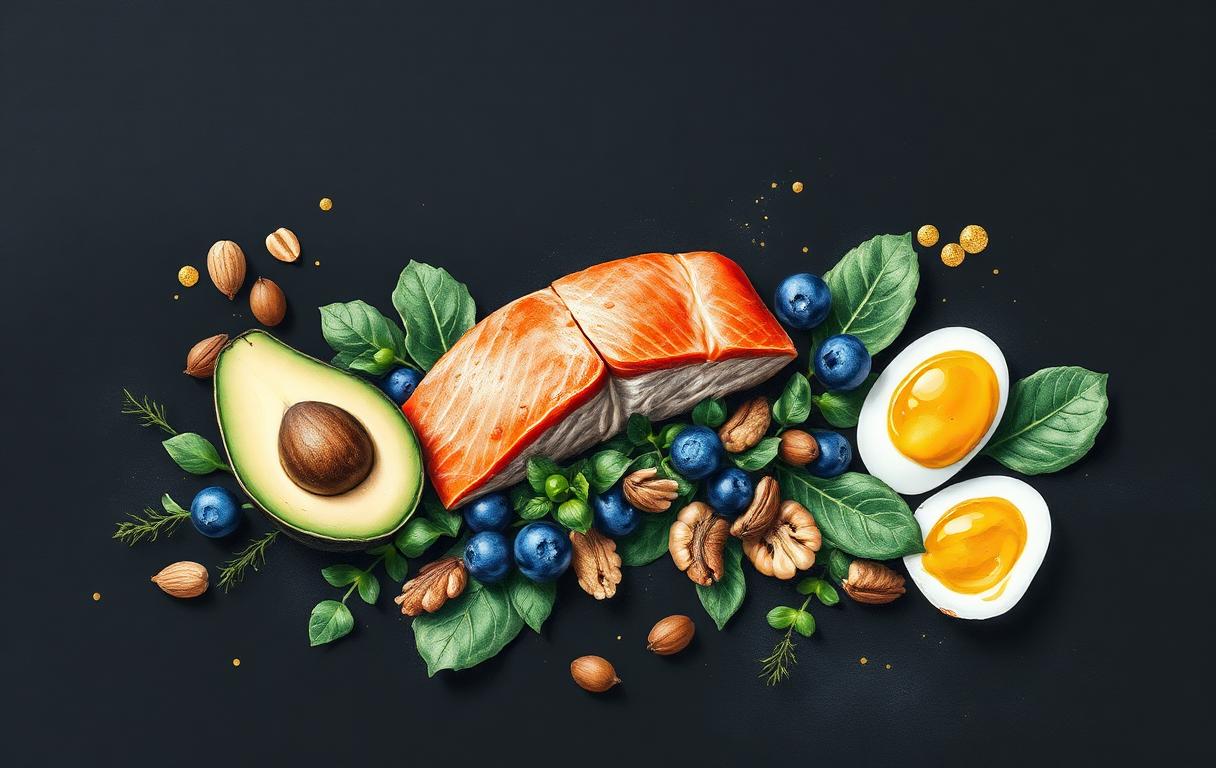
A Hormone-Balancing Diet: Foods That Help You Feel Your Best
When your hormones are out of balance, you feel it—fatigue, mood swings, weight changes, or irregular cycles can take a toll. The good news? Your diet is one of the most powerful tools you have to support hormone health. At Berkley Wellness in Breckenridge, TX, we believe that small, intentional changes to what you eat can make a world of difference in how you feel every day.
Let's explore how key foods and nutrients can help balance your body's most important hormones—and keep you thriving.
Understanding Your Body's Key Hormones
Hormones are chemical messengers that regulate metabolism, mood, fertility, blood sugar, and more. While your body produces over 50 hormones, we'll focus on five that have a major impact on daily wellness:
- Cortisol: The stress hormone that manages your body's response to pressure.
- Sex Hormones (Estrogen, Progesterone, Testosterone, LH, FSH): Regulate reproduction, mood, and energy.
- Melatonin: Controls your sleep-wake cycle.
- Insulin: Manages blood sugar and energy storage.
- Thyroid Hormones (T3, T4, TSH): Govern your metabolism and energy use.
If you notice changes in energy, sleep, hair, or your menstrual cycle, it's wise to consult a healthcare provider. But for everyday support, your plate is a great place to start.
Top Foods for Each Key Hormone
1. Calming Cortisol with Anti-Inflammatory Foods
Elevated cortisol can lead to fatigue, weight gain, and poor sleep. To help keep it in check, focus on antioxidant-rich and anti-inflammatory foods like:
- Blueberries and other berries
- Fatty fish (salmon, tuna)
- Leafy green vegetables
- Turmeric and dark chocolate
- Legumes and whole grains
Pro Tip: Be mindful of alcohol and caffeine, as both can spike cortisol levels. Chronic stress and elevated cortisol are also closely tied to mental health—our mental health services can help if stress is taking a lasting toll.
2. Supporting Sex Hormones with Healthy Fats
Sex hormones thrive on healthy fats, fiber, and adequate protein. Undereating or extreme dieting can disrupt their production, so make sure you're getting enough calories from quality sources. Include:
- Olives and olive oil
- Avocados
- Nuts, seeds, and peanuts
- Vitamin D-rich foods (fatty fish, egg yolks, fortified dairy)
Vitamin D is especially crucial for fertility and hormone production. Sunlight is the best source, but food sources and supplements (after consulting your doctor) can help fill the gap.
If diet alone isn't resolving symptoms of hormone imbalance—like low libido, fatigue, or stubborn weight gain—it may be time to look deeper. Our bioidentical hormone replacement therapy (BHRT) and testosterone therapy programs address the root cause with lab-guided, personalized treatment.
3. Boosting Melatonin for Better Sleep
Melatonin regulates your sleep-wake cycle. To optimize it, watch your caffeine and alcohol intake and focus on foods high in tryptophan and magnesium:
| Tryptophan-Rich Foods | Magnesium-Rich Foods |
|---|---|
| Dairy, nuts, bananas, eggs, seeds | Nuts, milk, cherries, prunes, salmon, whole grains, tofu, legumes, leafy greens |
Foods like tart cherries, eggs, milk, fish, nuts, and goji berries can also help your body produce more natural melatonin.
4. Balancing Insulin with Protein, Fiber, and Fat
Insulin helps your body use sugar for energy. To prevent spikes and maintain steady blood sugar, build every meal around protein, fiber, and healthy fat. Great combinations include:
- Apple with peanut butter
- Eggs, cheese, spinach, and whole-grain toast
- Curry (dairy or coconut-based) with chickpeas and veggies
- Corn tortillas with bell peppers, onions, beans, and avocado
Struggling with insulin resistance or weight that won't budge despite eating well? Our medical weight loss program combines nutrition guidance with GLP-1 medications and metabolic support for lasting results.
5. Nourishing Thyroid Hormones with Key Nutrients
Thyroid health depends on adequate calories and specific nutrients. Focus on getting enough carbohydrates and these key vitamins and minerals:
| Nutrient | Top Food Sources |
|---|---|
| Iron & Zinc | Legumes, animal proteins, broccoli, whole grains |
| Vitamin B12 | Animal proteins, fortified foods, nutritional yeast |
| Iodine | Iodized salt, milk, seaweed (nori) |
| Vitamin D | Fortified milk/oj, salmon, tuna, egg yolks |
| Selenium | Eggs, whole grains, yellowfin tuna, Brazil nuts |
Low B12 in particular can mimic thyroid symptoms like fatigue and brain fog. If your levels are low, our B12 injections offer a fast, effective way to restore energy.
Fill the Gaps with Quality Supplements
Even the best diet can leave nutritional gaps. Medical-grade supplements—vitamin D, magnesium, omega-3s, and B-complex—can support hormone balance when food alone isn't enough. We recommend professional-grade options through our supplements program, where you get practitioner-vetted products at a discount.
Building Your Sustainable Hormone-Balancing Diet
The goal isn't perfection—it's consistency. All foods can fit into a healthy diet. By simply incorporating more of these nutrient-dense foods into your daily routine, you're giving your hormones the support they need to help you feel your best.
Remember: If you have a condition like PCOS, diabetes, or thyroid disorders, work with your healthcare provider for personalized guidance.
Ready to take the next step in your wellness journey? At Berkley Wellness, we're here to support you with personalized care and expert advice.
📞 Call us today: (254) 212-8014
📍 Visit us: 102 E 6th Street, Breckenridge, TX
Your balanced life starts here.